
The Silent Manager: Early Signs of Pituitary Gland Dysfunction You Should Never Ignore
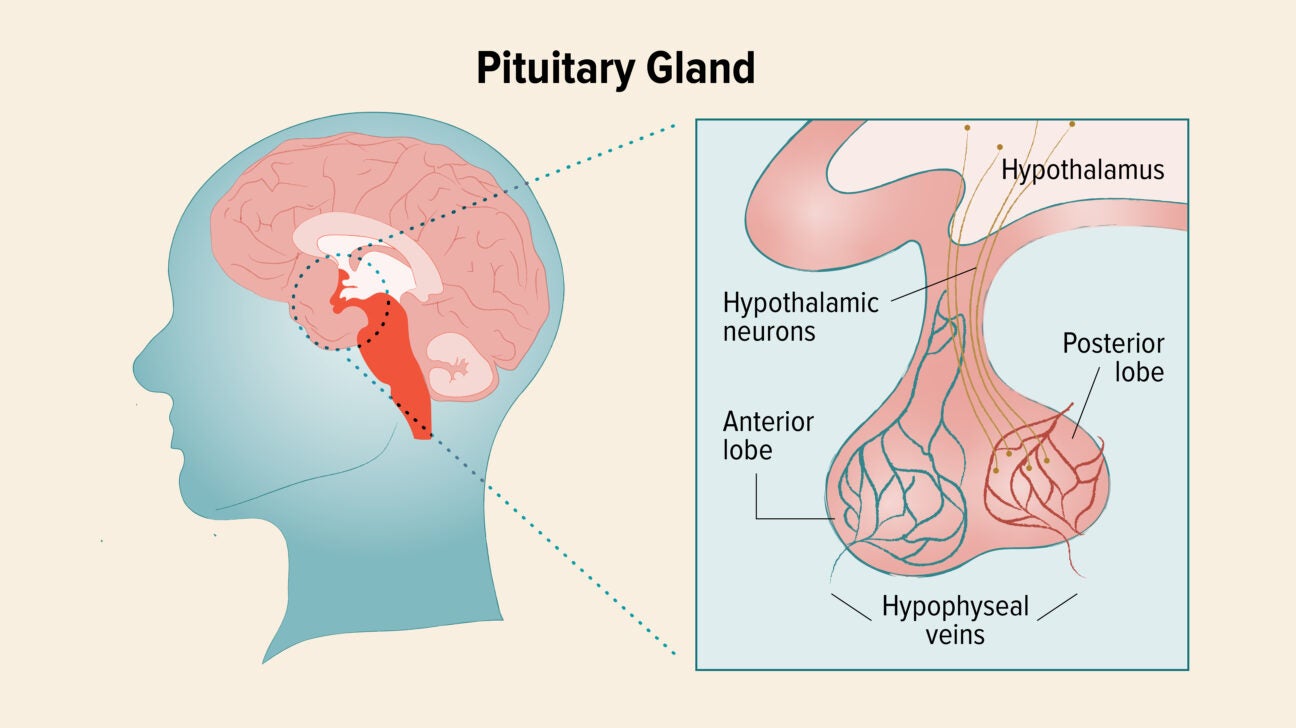
Deep within the brain, nestled in a bony structure called the sella turcica, lies a pea-sized organ of immense power: the pituitary gland. Often referred to as the “master gland,” the pituitary is the control center of the entire endocrine system. It secretes hormones that regulate vital functions throughout the body, dictating everything from growth and metabolism to stress response and reproduction. Because of its wide-ranging influence, even a minor dysfunction in the Hypothalamus Brain Injury at Work – Pituitary Gland Damage can have profound and often confusing effects on overall health. Recognizing the early, sometimes subtle, signs of pituitary gland dysfunction is crucial, as delayed diagnosis can lead to serious, chronic health issues.
Pituitary disorders typically arise from either hypopituitarism (underproduction of one or more hormones) or hyperpituitarism (overproduction), often caused by a tumor or mass on the gland itself. The symptoms rarely point clearly to the brain, instead mimicking conditions like depression, chronic fatigue, or reproductive issues. This lack of clear connection is precisely why these warning signs are often ignored or misdiagnosed for years.
The Energy Drain: Fatigue and Lethargy
One of the most common and easily dismissed early signs of pituitary trouble is persistent, unexplained fatigue. This is not the fatigue felt after a long day of work; it is a profound, non-restorative exhaustion that is not relieved by sleep.
This symptom is frequently linked to a deficiency in Adrenocorticotropic Hormone (ACTH). ACTH stimulates the adrenal glands to produce cortisol, the body’s primary stress hormone, which is essential for regulating energy, blood pressure, and managing physical stress. When ACTH levels drop, cortisol production plummets. Low cortisol leads to a condition resembling severe burnout: a lack of energy, generalized weakness, and often, low blood pressure that can cause dizziness upon standing (orthostatic hypotension). Because these symptoms mirror those of depression or chronic fatigue syndrome, they can be easily missed if routine hormone panels are not conducted.
A second related cause of fatigue is a deficiency in Thyroid-Stimulating Hormone (TSH). While TSH deficiency is technically a thyroid problem (hypothyroidism), the primary fault lies with the pituitary. Low TSH leads to low production of thyroid hormones, which regulate the body’s entire metabolic rate. This results in sluggishness, cold intolerance, and weight gain, further contributing to the overall sense of lethargy.
Sexual and Reproductive Dysfunction
For both men and women, the pituitary gland directly controls the reproductive system through the release of Follicle-Stimulating Hormone (FSH) and Luteinizing Hormone (LH). Dysfunctions in these hormones are often among the earliest and most specific signs of a problem.
In women, early signs include irregular or absent menstrual periods (amenorrhea) and unexplained infertility. Low levels of FSH and LH disrupt ovulation and the production of sex hormones (estrogen and progesterone). Conversely, an overproduction of Prolactin (often caused by a non-cancerous tumor called a prolactinoma) can also suppress FSH and LH, leading to absent periods and galactorrhea (breast milk production unrelated to pregnancy).
In men, early signs are often a reduction in libido, erectile dysfunction, and a loss of body hair, all linked to low testosterone caused by insufficient FSH and LH signaling. These symptoms are often mistakenly attributed to simple aging, delaying critical diagnosis.
Conclusion: Heeding the Subtle Cues
The early signs of pituitary gland dysfunction are often a collection of seemingly unrelated, vague complaints that disrupt daily life: crushing fatigue, unexplained weight changes, loss of libido, and persistent headaches. Because the pituitary controls such a wide array of vital functions, the failure to diagnose a problem can lead to debilitating conditions like Addison’s disease (severe cortisol deficiency), hypothyroidism, or permanent vision loss. Any cluster of these symptoms that cannot be explained by typical lifestyle factors warrants a thorough medical evaluation, including a comprehensive hormonal panel. Recognizing the silent manager’s distress signals is the first and most important step toward restoring systemic health and preventing long-term damage.